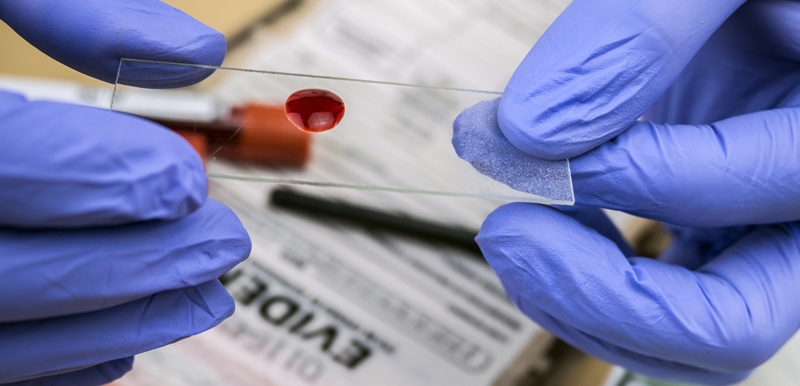
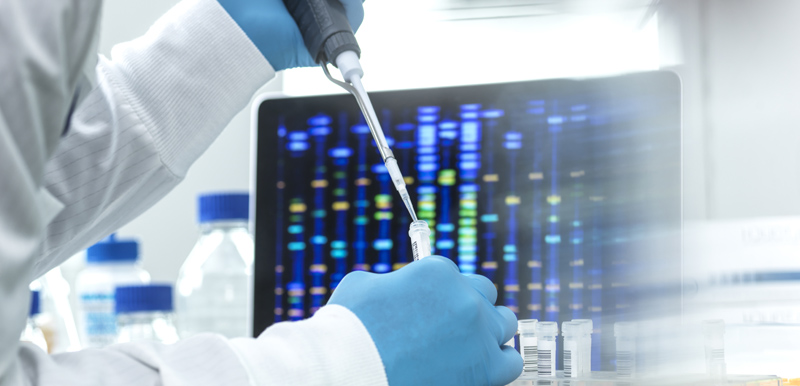
DNA phenotyping is a forensic analysis technique that uses a person’s DNA to predict their physical appearance. DNA phenotyping can be used to predict traits such as hair color, eye color, skin color, ancestry, and more. As the technique progresses, more traits like a...
The science of DNA testing has evolved rapidly in recent years. Not only is DNA testing more popular, but the problems that DNA testing can solve continue to expand. In this blog, we’ll take you through the history of DNA science, the significant discoveries,...
As much of the world struggles with the moral dilemmas that arise from the answers that genetic testing can and does provide, there are pockets of society that have found ways to embrace technology for the very basic reason of ensuring the longevity of their...
Noninvasive prenatal testing (NIPT) of DNA is a new and expanding option for pregnant women. Research has shown it to be accurate for detecting trisomy, in women who are considered low or high risk. Trisomy exists when there are three copies of a chromosome instead of...
DNA testing is commonly thought of in connection with divorce cases and paternity claims, or criminal justice cases where DNA samples are required of victims or suspects. But DNA testing can also function as a powerful tool for proving the likelihood of ancestral...
DNA testing is becoming used more frequently by people to help in critical situations that can change their lives. In cases of missing children, urgent medical care needs, body identification or legal verification, DNA can help solve the issue. But waiting until an...